The Blue Light Trap
The Hidden Damage of Blue Light (and What to Do About It)
We live in a world that never really turns off. Screens, LED lighting, and glowing gadgets are part of nearly every moment of modern life-from the minute we wake up to the moment we crash into bed.
But here’s what most people don’t realise: that constant exposure to artificial blue light, especially after sunset, may be quietly wrecking your sleep, scrambling your hormones, and pulling you further away from the health, clarity, and energy you’re chasing.
🔵 What Is Blue Light-and Why Should You Care?
Blue light is part of the visible light spectrum. It’s naturally present in sunlight and helps regulate our wake/sleep cycles. In the morning, blue light is energizing. It tells your body, “Wake up! It’s daytime!” That’s a good thing-during the day.
The problem? We’re now bathing ourselves in blue light long after the sun goes down. TVs, phones, tablets, computers, LED bulbs, fridge lights-you name it. Our brains are being told, “It’s still daytime,” even at 10 PM.
This confuses your internal clock (your circadian rhythm) and suppresses melatonin production. Melatonin is your sleep hormone-your body’s natural signal to rest, repair, and recover. When melatonin drops, your sleep gets shallow, disrupted, or delayed. And when your sleep suffers, everything else begins to fall apart.
😴 The Downstream Effects of Too Much Blue Light
Here’s what extended blue light exposure can do over time:
• 🧠 Disrupted Sleep: Less melatonin means it takes longer to fall asleep and your sleep quality drops.
• 🔁 Circadian Chaos: Your body no longer knows when to rest and when to be alert-leading to daytime fatigue and nighttime restlessness.
• 😫 More Stress, Less Recovery: Blue light boosts cortisol (your stress hormone), which competes with melatonin and keeps your body in a wired-but-tired state.
• 👁️ Eye Strain & Fatigue: Staring at screens too long can trigger headaches, dry eyes, and brain fog.
• 🧬 Hormonal & Metabolic Disruption: Poor sleep has been linked to insulin resistance, low testosterone, and increased inflammation.
Over time, this low-grade damage adds up. You may feel “off” but not know why-tired in the morning, wired at night, always chasing rest but never quite getting it.
🌙 What You Can Do to Protect Yourself
The goal isn’t to live like a monk or throw your iPhone in the bin. It’s about being intentional-using technology during the day when it serves you, and protecting your body from it when it doesn’t.
1. Cut Off Screens Before Bed. Try to avoid screens 1-2 hours before sleep.
2. Block toxic blue light with Blue Light Blocking Glasses.
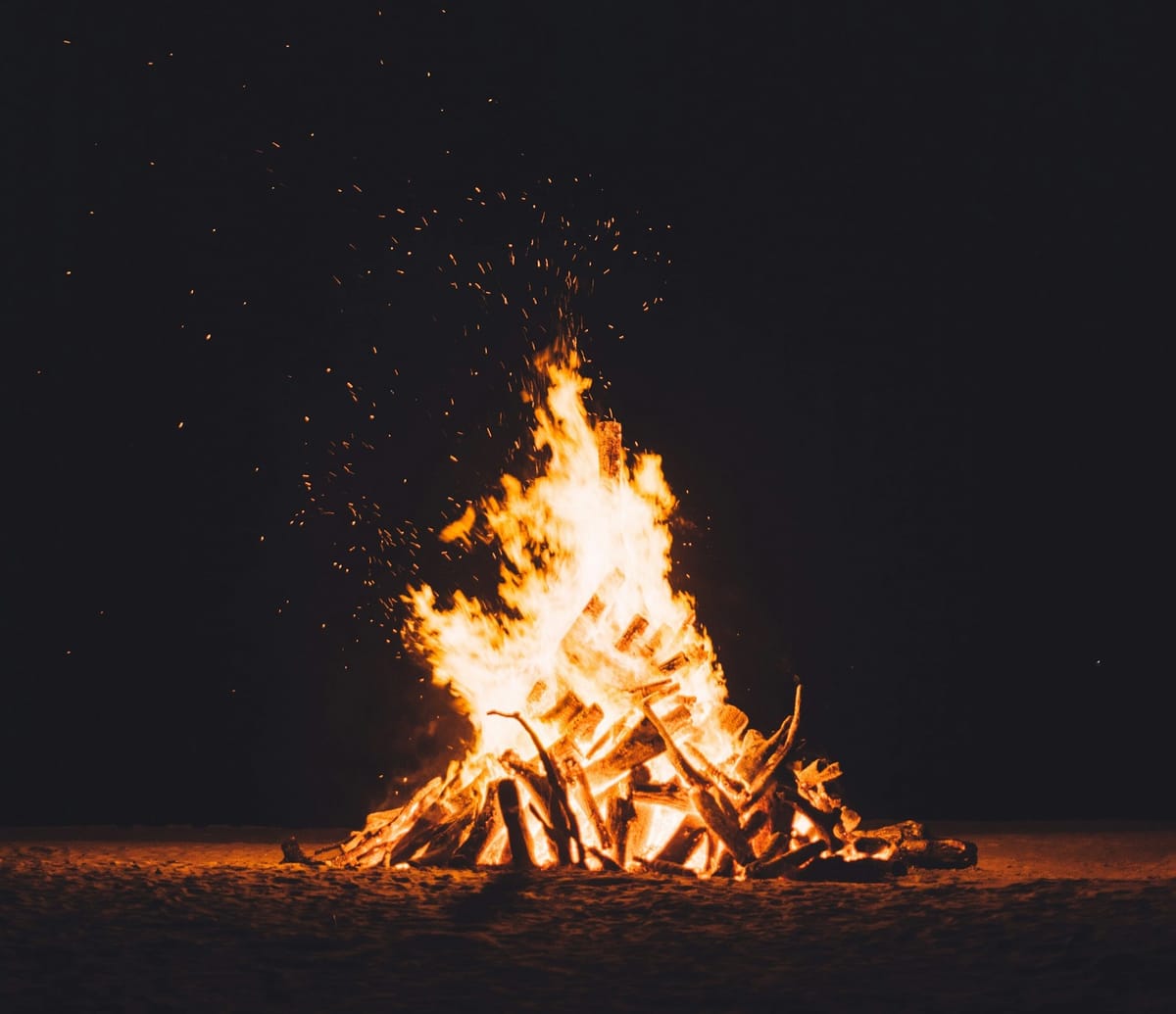
3. Switch to Red or Amber Light at Night. Overhead lights are often the worst culprits. Swap them out in key areas (like the bedroom or living room) for red or amber bulbs. These colors support melatonin and mimic firelight, which our ancestors evolved with.
4. Get Bright Sunlight in the Morning. Ironically, the best way to fix your sleep at night is to get sunlight early in the day. Step outside within 30 minutes of waking. Let natural light hit your eyes (no sunglasses), even if it’s cloudy. This locks in your circadian rhythm and helps melatonin kick in 12-14 hours later.
5. Make Your Bedroom free from tech. No screens, no blinking LEDs, no scrolling in bed. Keep your sleep space dark, cool, and calm. Use blackout curtains. Turn your phone on airplane mode. If you need a night light, make it red.
✅ The Bottom Line
Blue light isn’t “bad.” It’s natural-in the right context. The problem is we’ve taken a daytime-only signal and stretched it into the night. Our bodies are still wired for sunrise and sunset, not 24/7 stimulation.
If you’re struggling with sleep, feeling drained during the day, or noticing mental fog or irritability, take a look at your light habits. You might be surprised how quickly your energy, clarity, and rest bounce back with just a few small changes.
Honor the rhythm your body was designed for. Protect your nights, embrace your mornings, and regain your rest.
Extra Videos:


